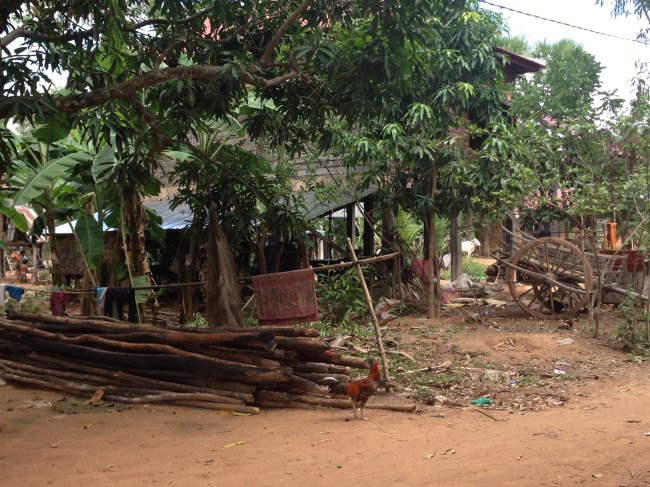
This weekend I got to join the JWOC teams on their trips out to the villages. It was a terrific experience — I learned how to make compost to prepare the sandy soil for a garden, as well as how to dig a well… both of which take a tremendous amount of work!! It was inspiring to see the commitment shown both by the villagers in working to improve their lives and by our scholarship student volunteers in providing training and encouragement to support their efforts.
Home Gardens
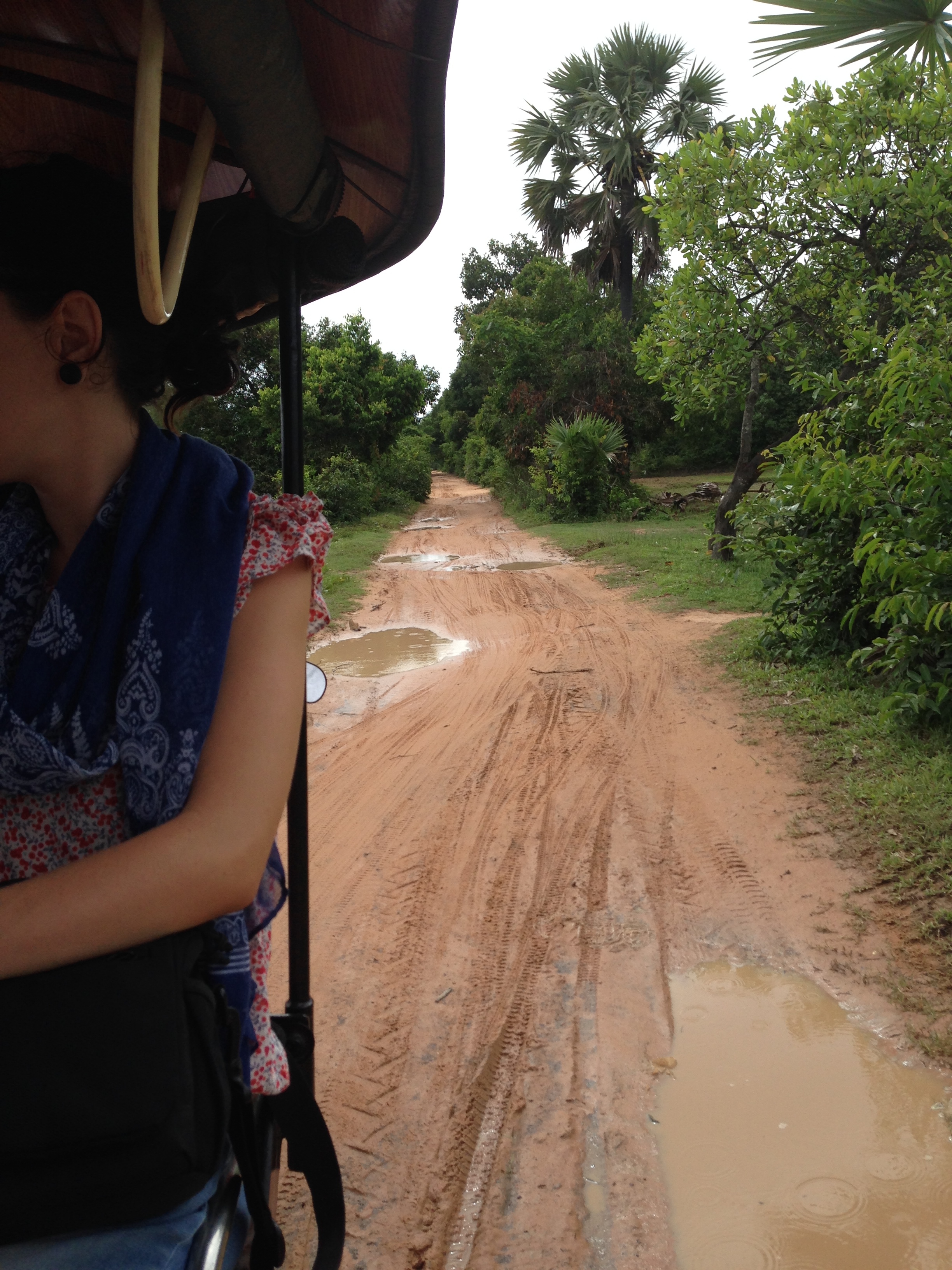
On Saturday I went out with the Home Gardens team, and the trip was almost as interesting as the destination! As most of the team sped off on Motos, four of us headed out in a tuk-tuk with some of the supplies. 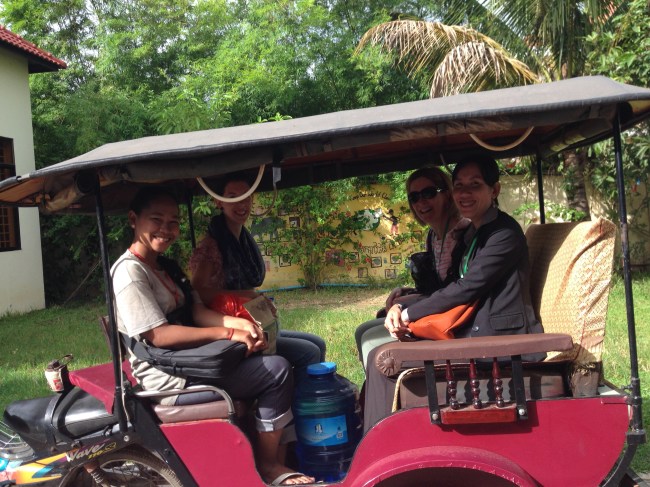 While there was lots to see along the whole journey (I plan to do an entire blog entry later on the amazing things people are able to transport via Moto!), as we got closer to the village, the trip really got interesting! We encountered uneven road conditions…
 A bit of traffic here and there…
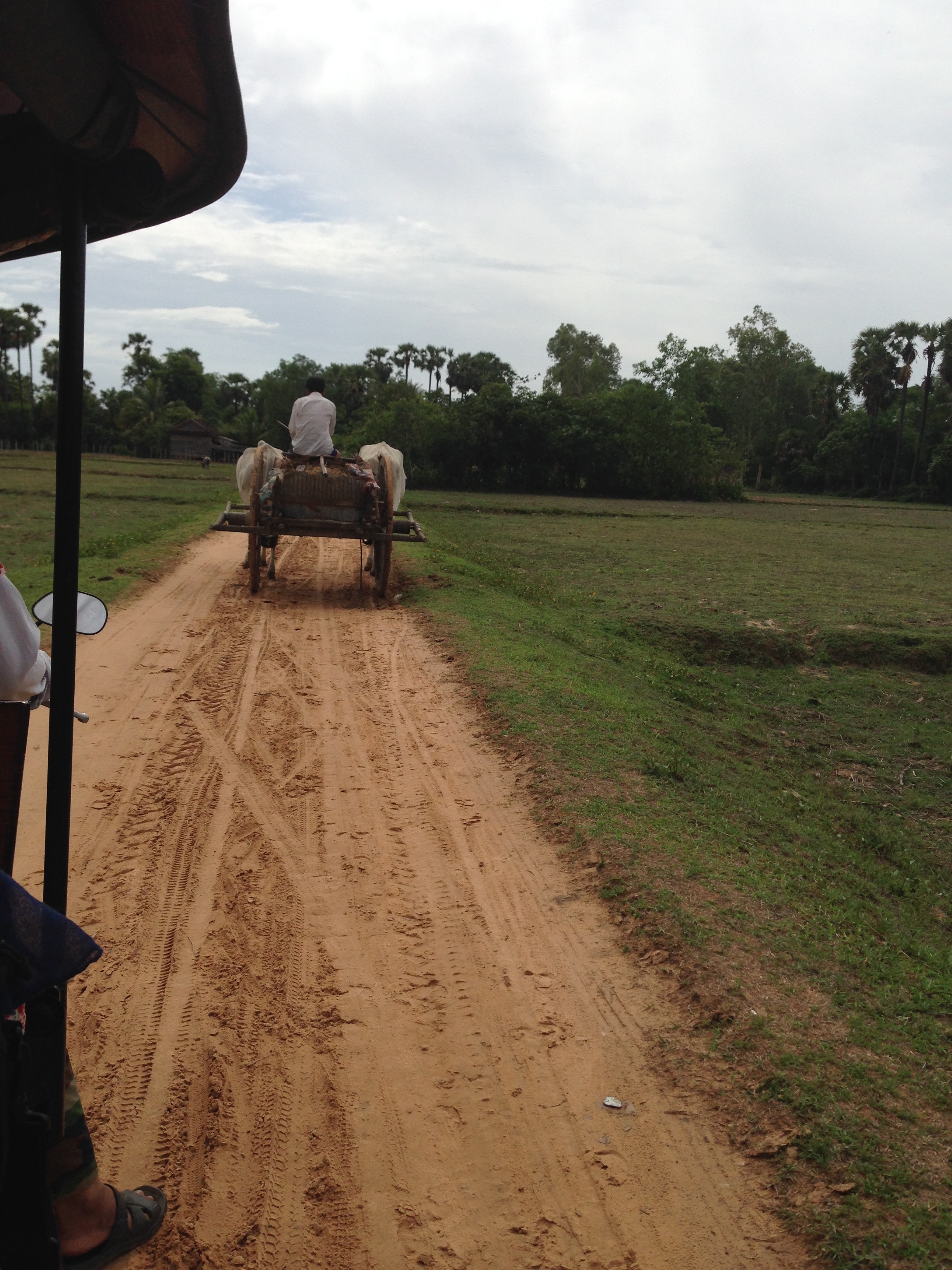 And at one point what seemed like an impasse!!….
 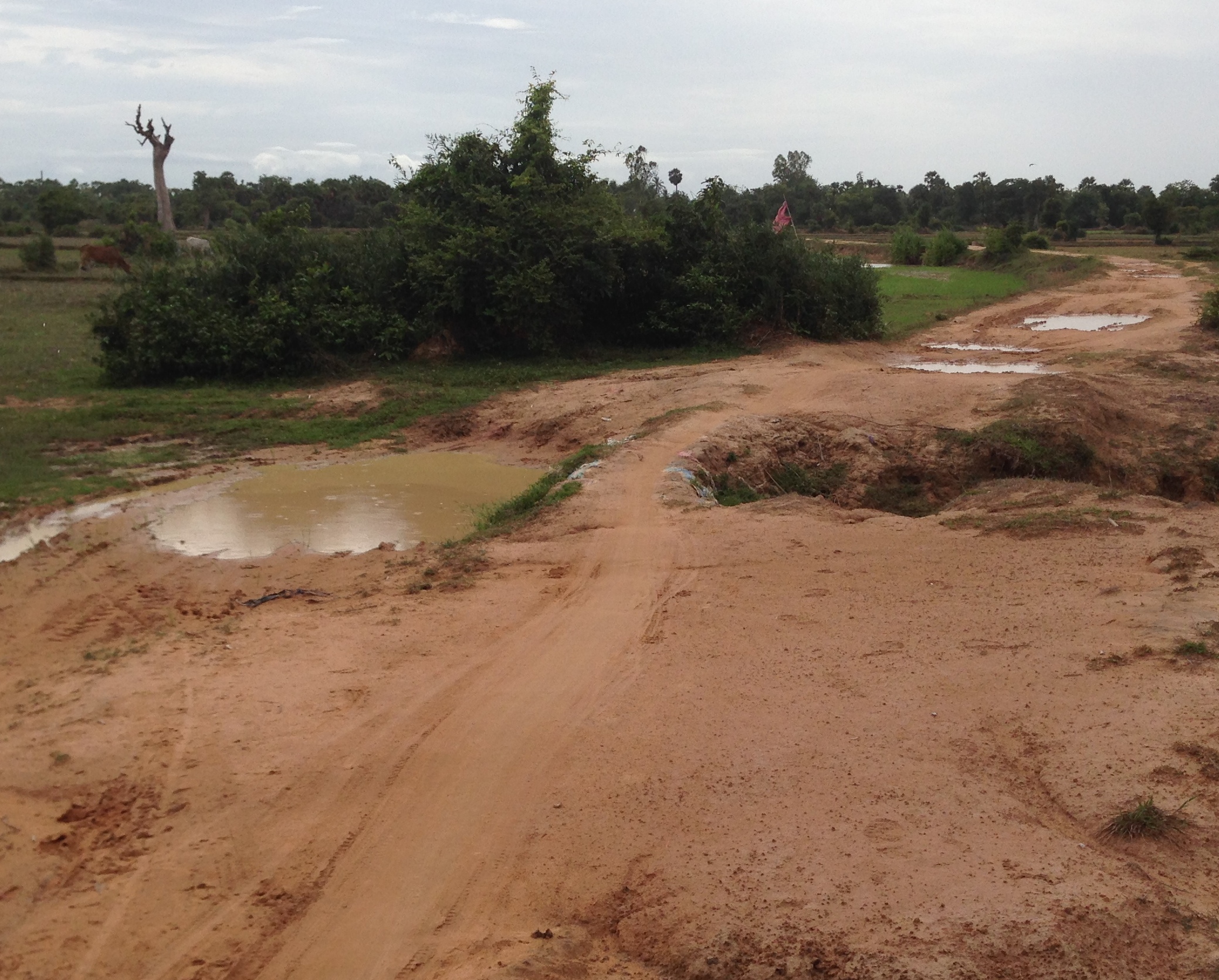 But we simply disembarked and unloaded the tuk-tuk and the driver drove it down the embankment, around the small lake, and back up again… and off we went!
When we got to the village, the training was in full swing. JWOC has brought in an instructor who has long experience with farming himself and is highly sought-after for his expertise. Last week, they covered composting and this week the topic was best practices in crop rotation to maximize yield.
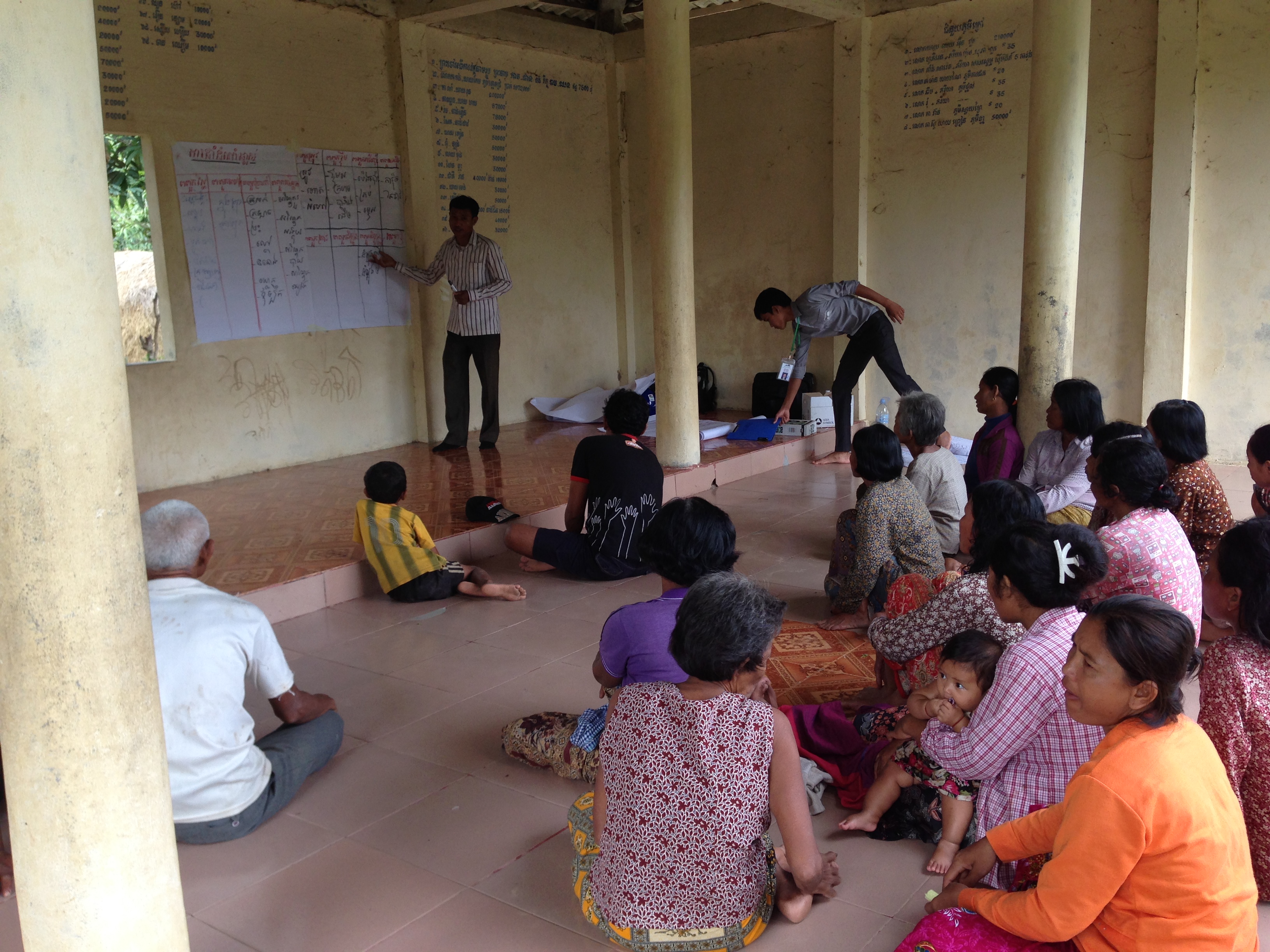
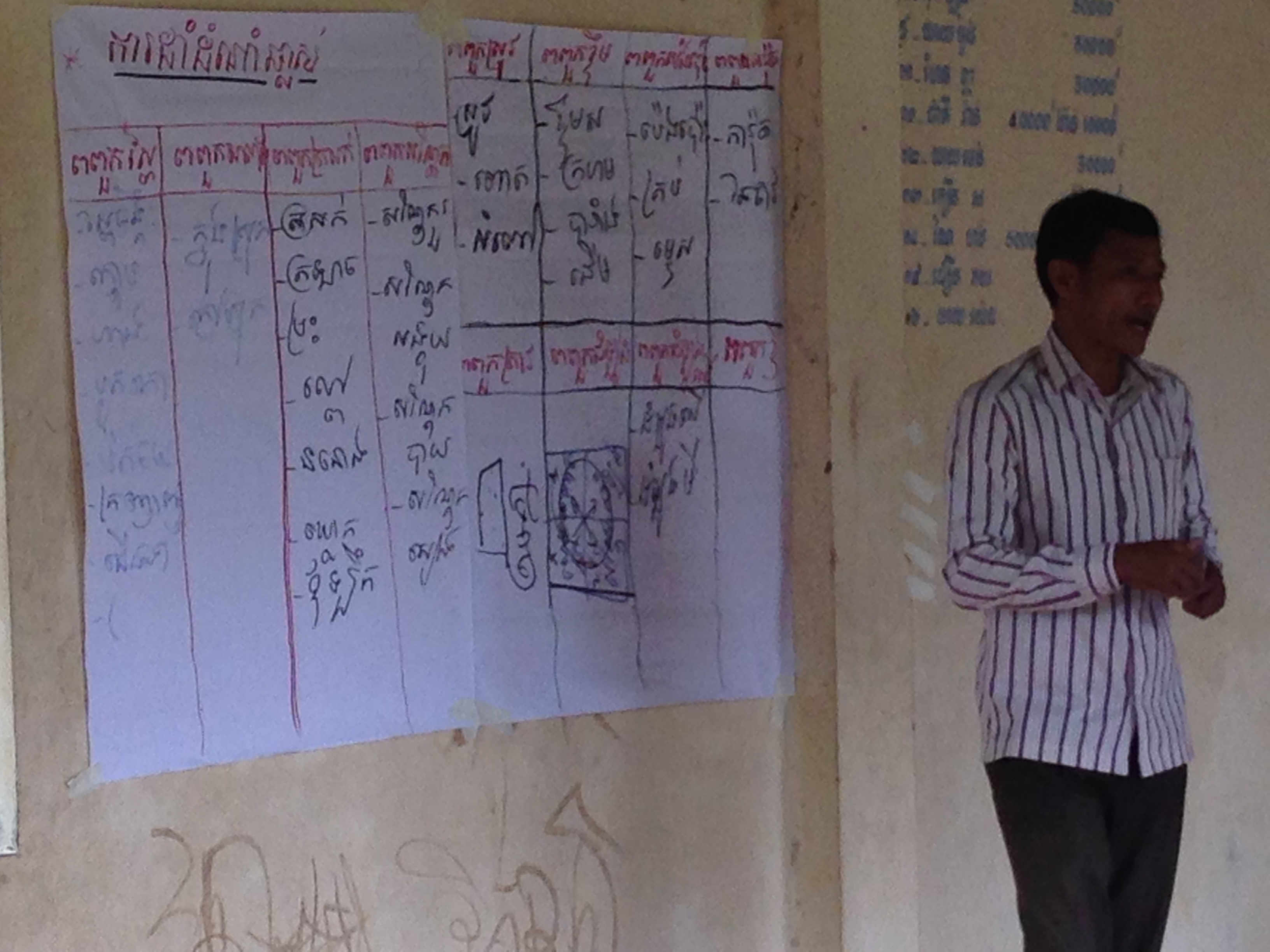
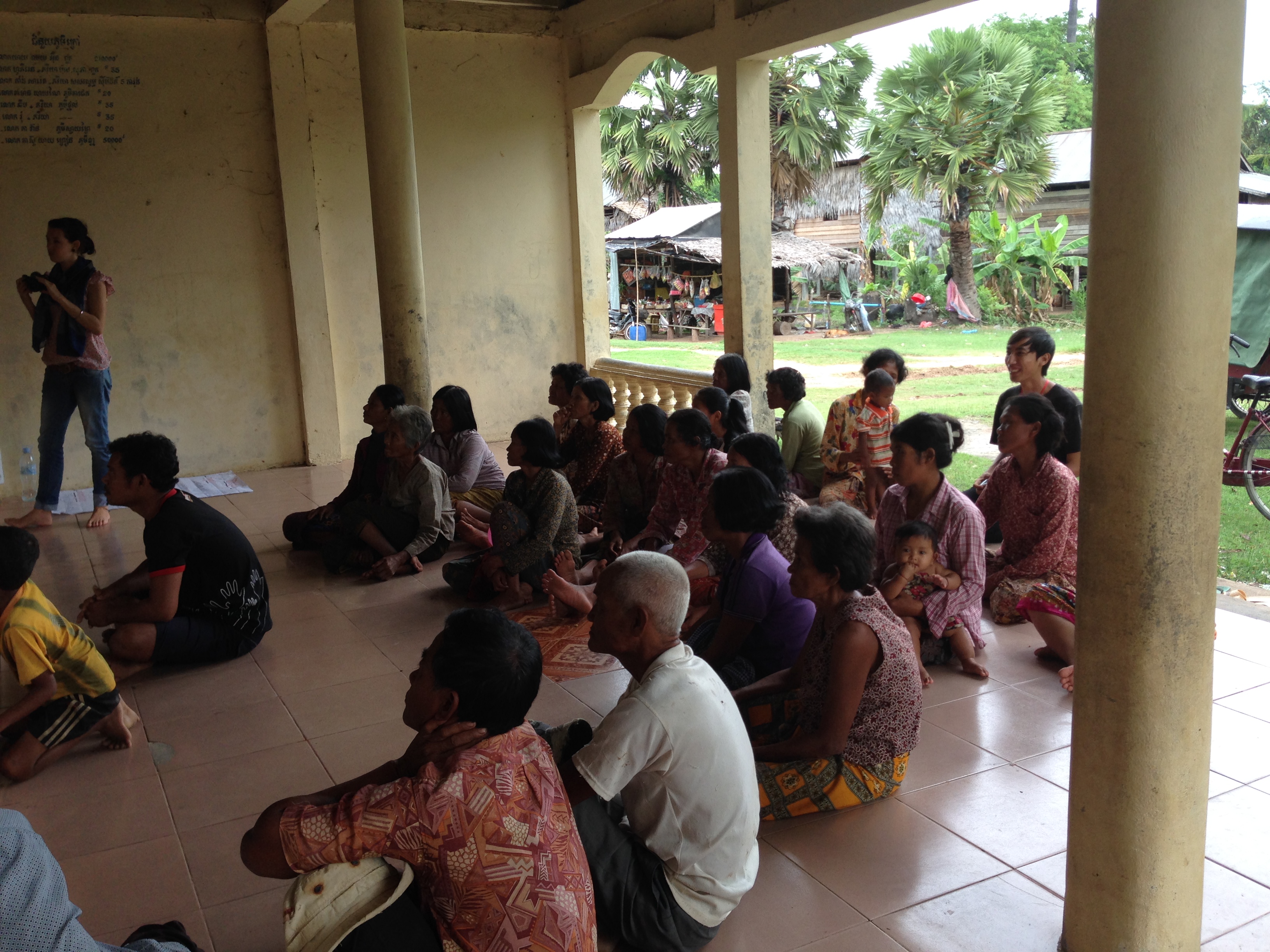 (Note that the blue writing on the walls is a listing of the villagers who contributed funds for the construction of the common building they are in, along with the amounts each contributed.)
While the training continued, Konthea gave me a bit of a tour through the village to see the garden plot that the team leader had created following their last training session, including a look into the wet composting pot. (She also explained what goes into wet composting, but I’ll leave that part out!).
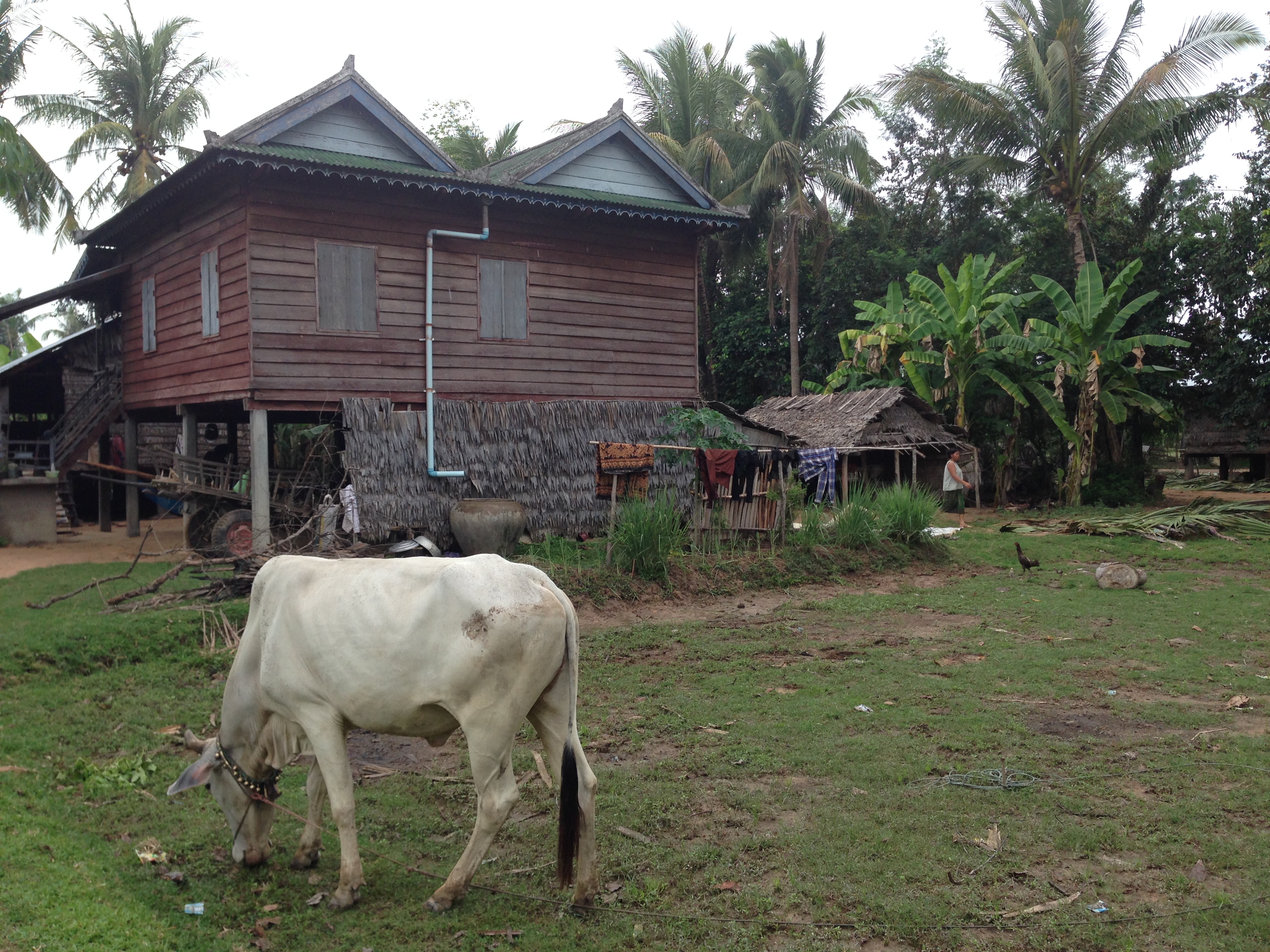
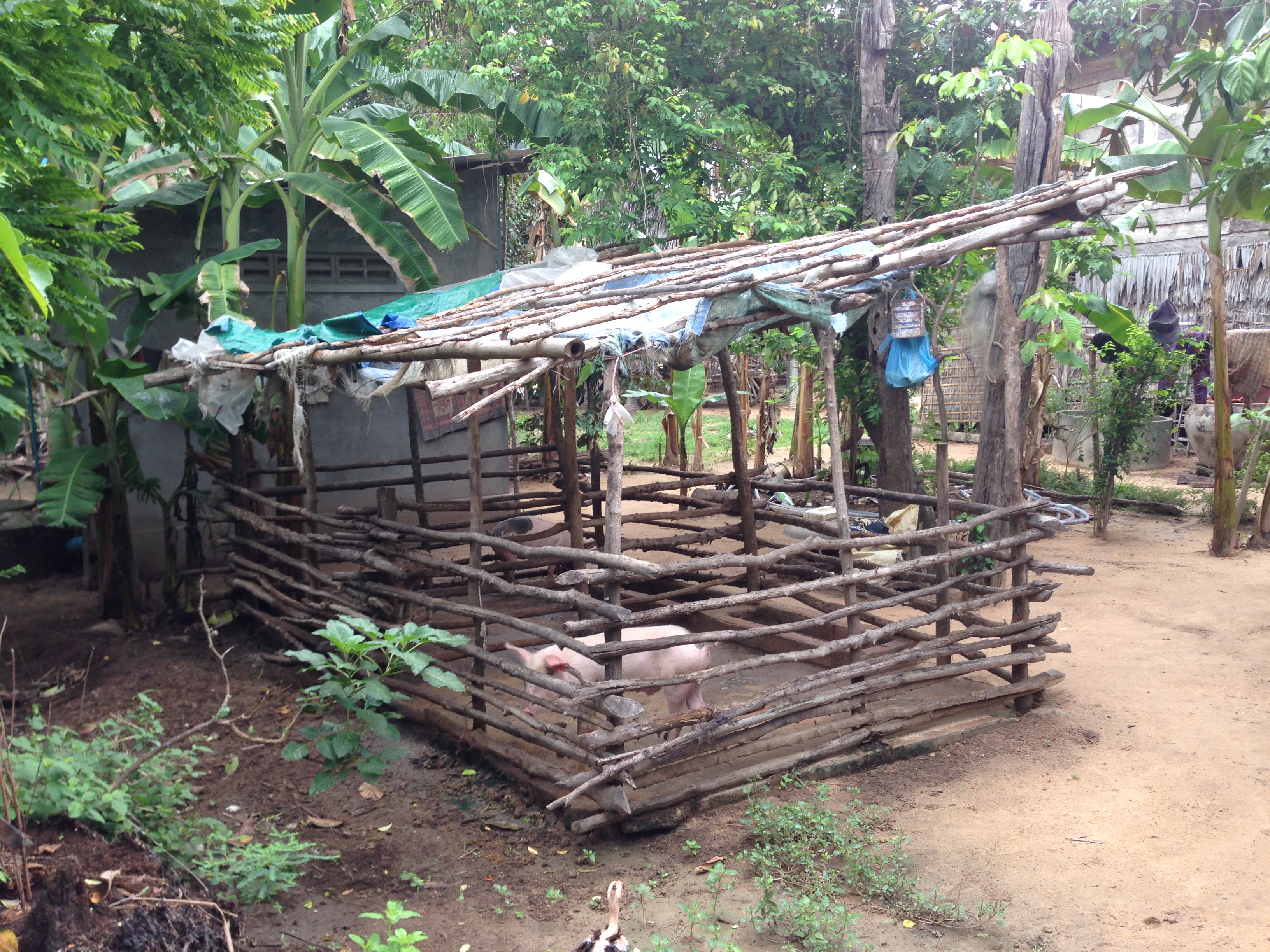
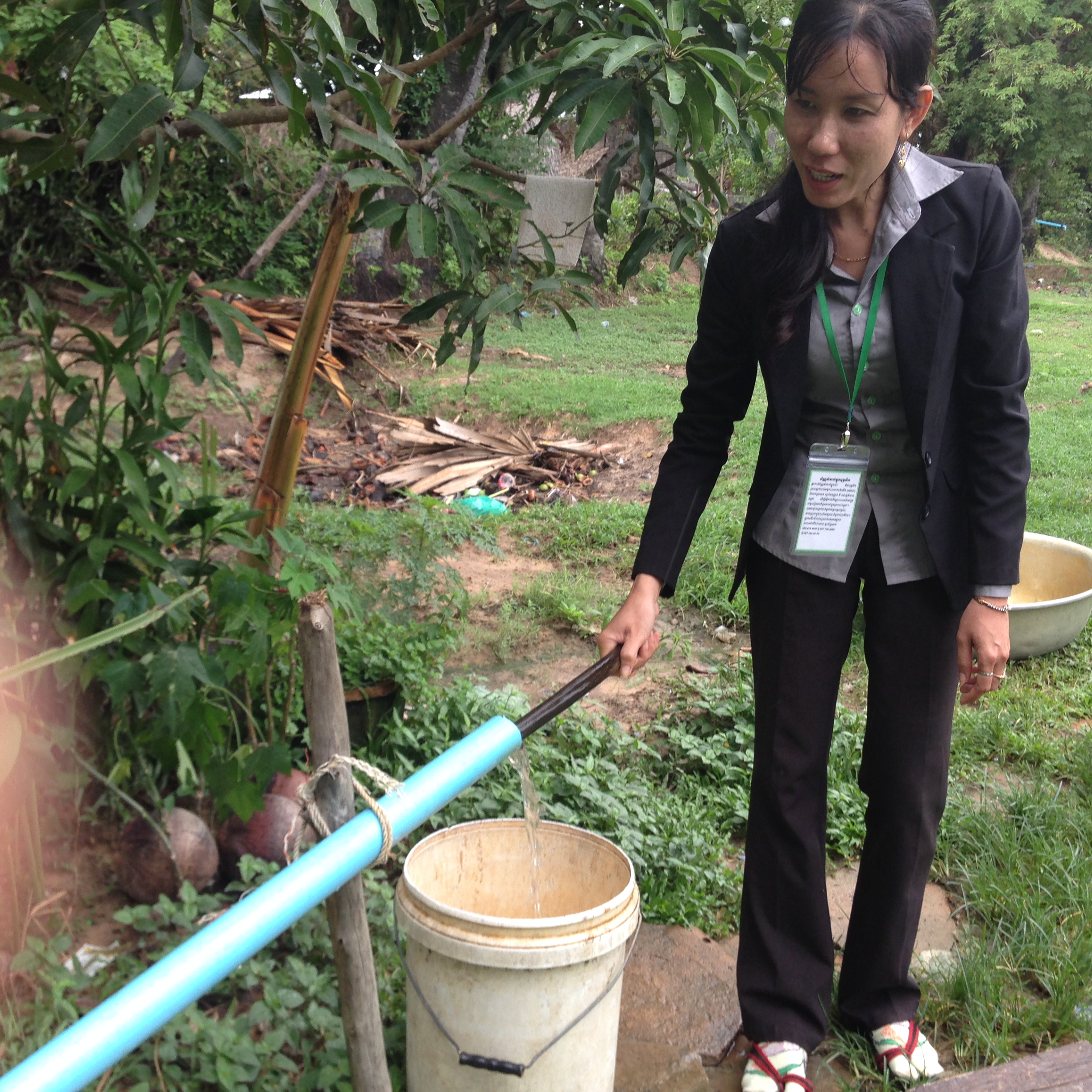

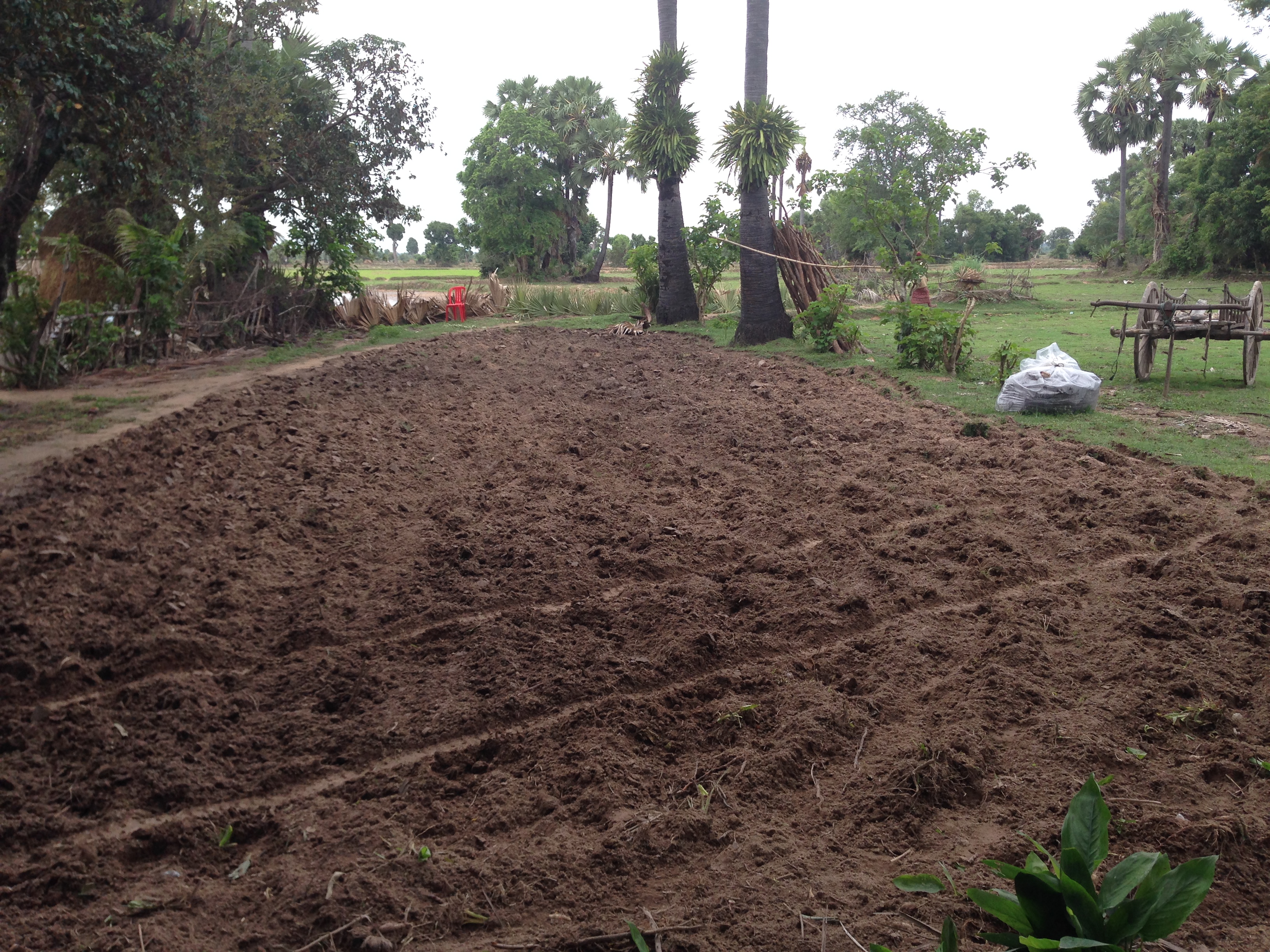
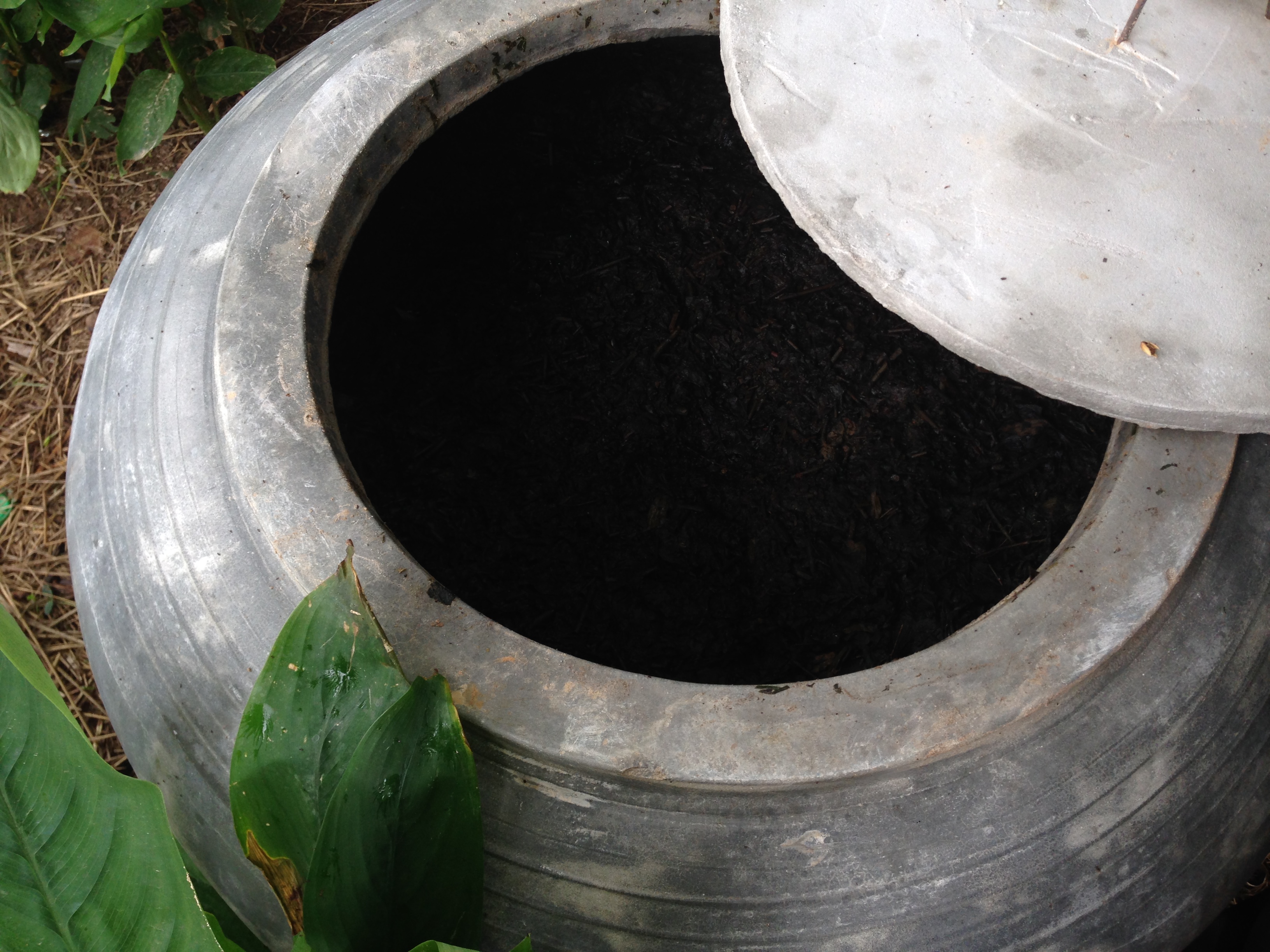
There are about 175 families in this village. Their primary source of income is the rice that they are able to grow in the rainy season (starting soon/now). Some of the men travel to Siem Reap to do construction and other jobs, and many of the women weave baskets — they can do about 5 baskets/day which nets them about $2.50. So, the prospect of being able to grow vegetables to augment the food supply for their own families — and in many cases to be able to sell some surplus — can have a significant impact on both their nutrition and economic well-being.
Clean Water
Sunday’s trip was with the Clean Water team. This time, I too sped off on the back of a Moto… but I forgot to have anyone take pictures! (Bear with me as I’m just getting the hang of this blog thing — the pics will hopefully continue to improve as time goes on!).
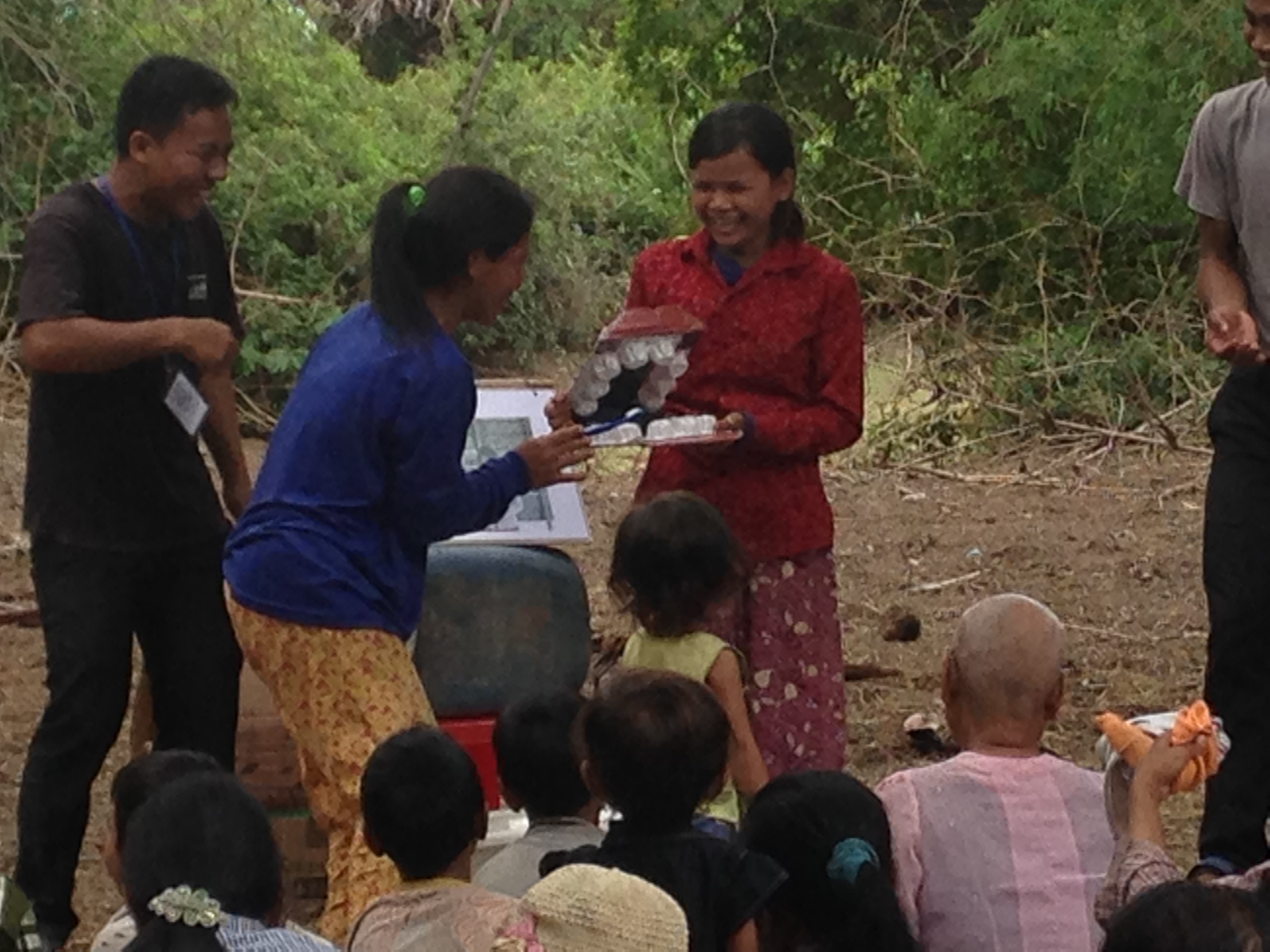
As part of all of their programs and in all of the villages and schools that they work with, JWOC incorporates hygiene training. For this weekend, that was the focus of the trip as they are still in the planning stages of the wells for this particular village. The scholarship students had fabulous rapport with the audience, and even I was laughing, despite not being able to understand a word they said! In addition to a few other topics, the main focus was on proper hand washing and teeth brushing technique (I had to sheepishly admit that I only brush twice a day and not three times…). The most fun was when they brought up people to demo — it got to be quite a good-natured competition to see who could be most thorough and most entertaining at the demos.
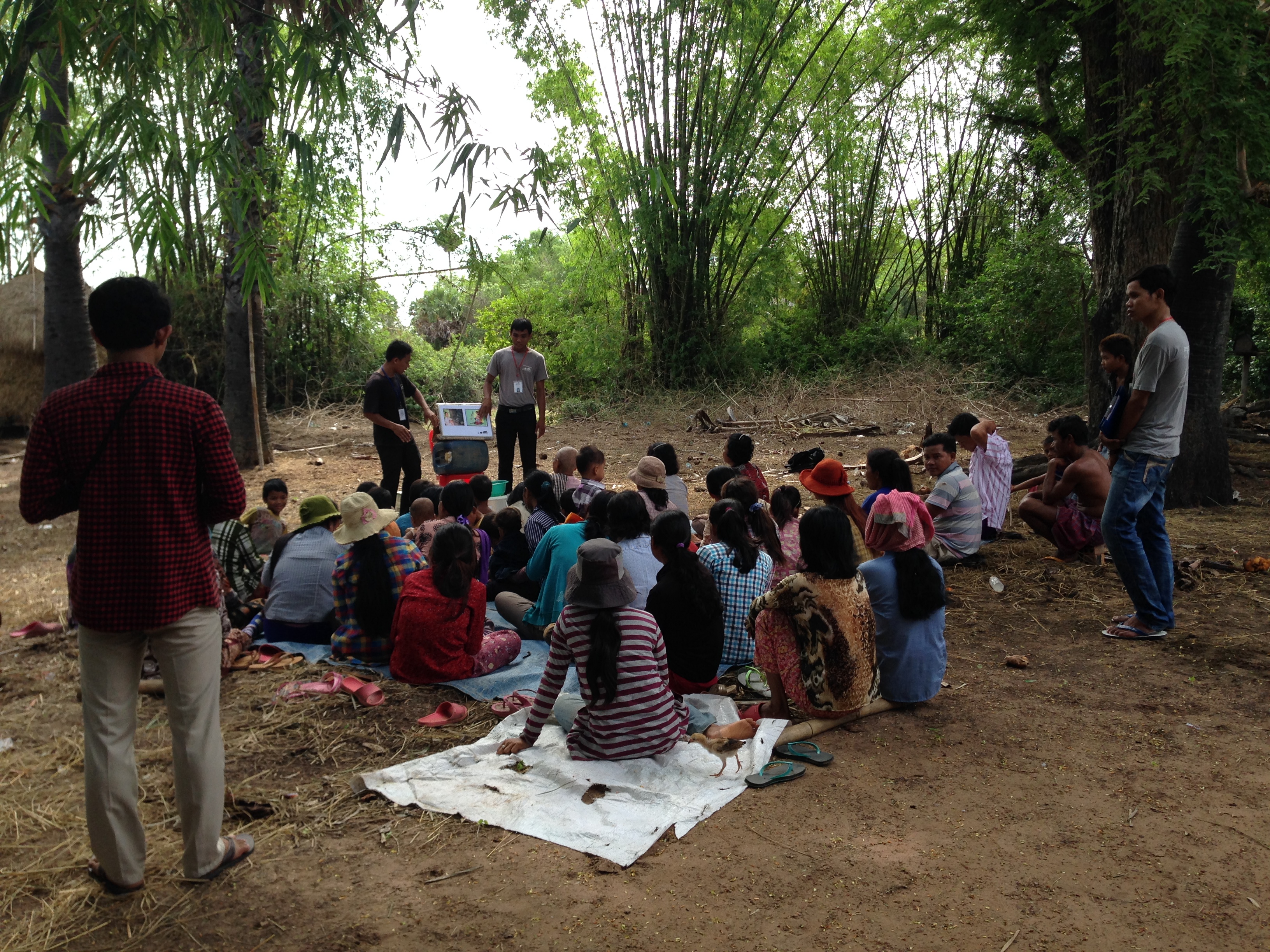
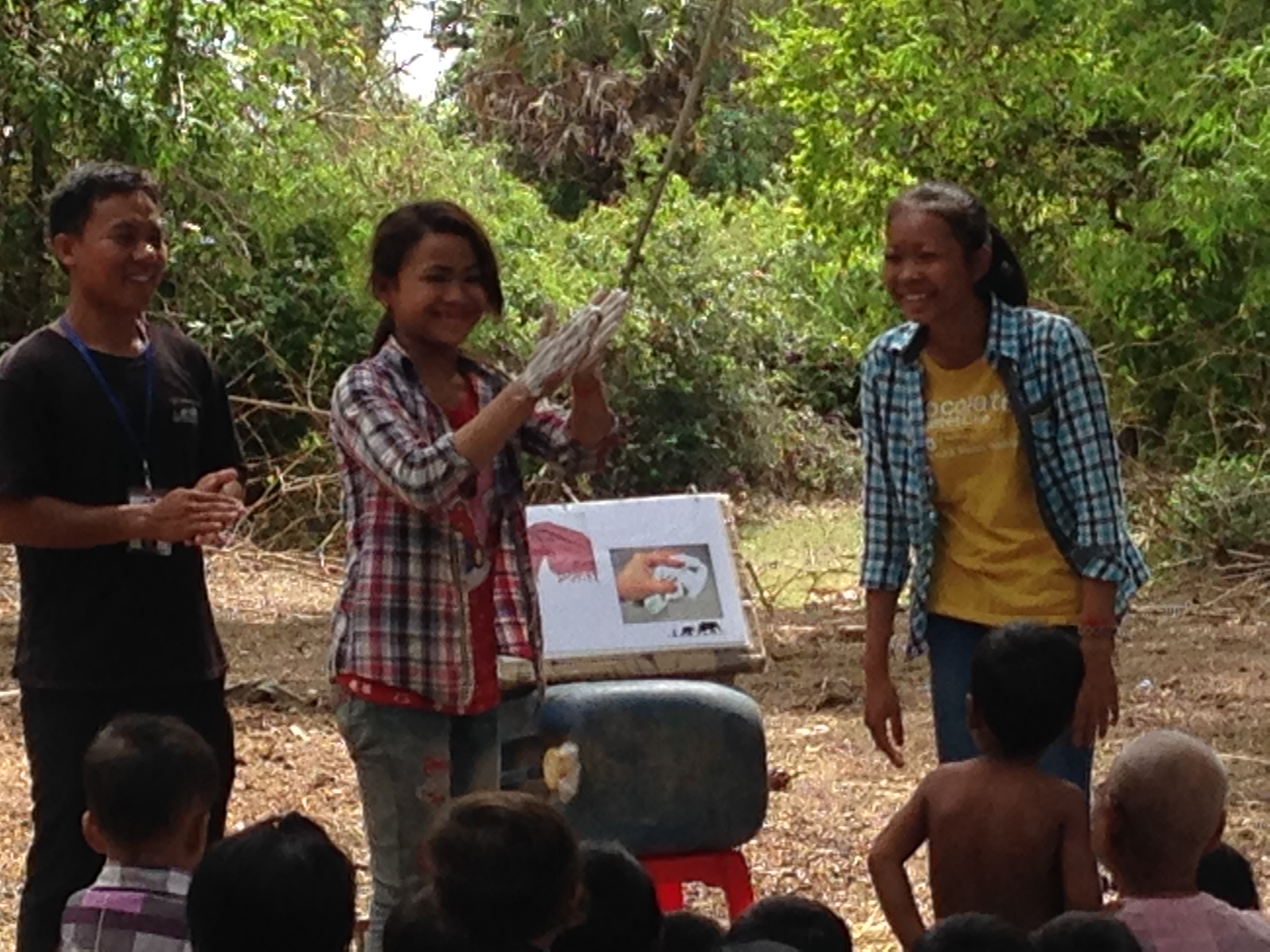
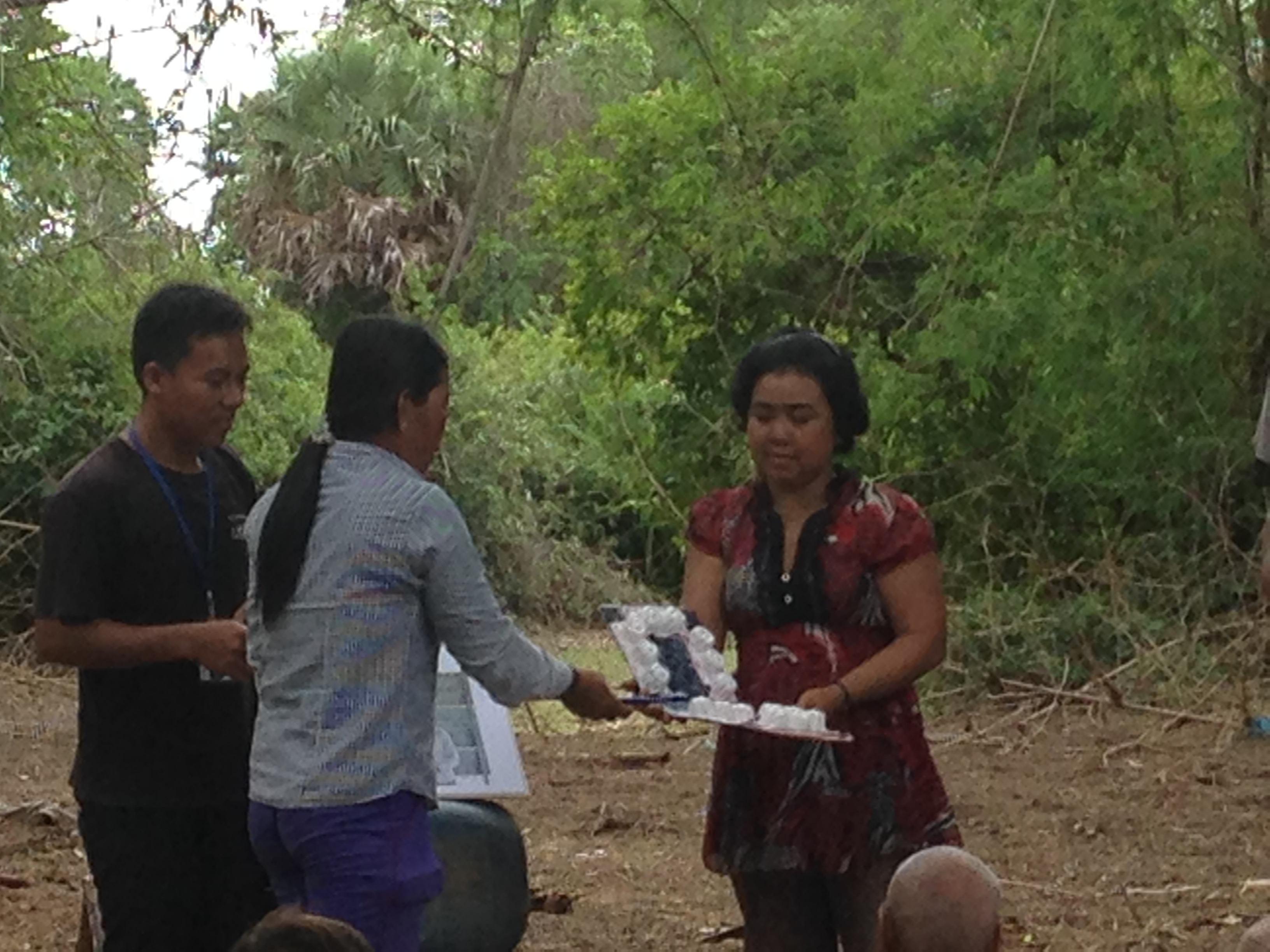
On the way home, Seng took me on an extra stop to see one of the wells that’s underway in another village. They’ve discovered that the water table is so deep in this area that they need to install a different kind of well than usual. This one will be 7 meters deep and lined with concrete pipe. 
How does one dig down that far you ask? Pretty straightforward… one guy climbs down into the well, scoops up dirt and rocks in a bucket… 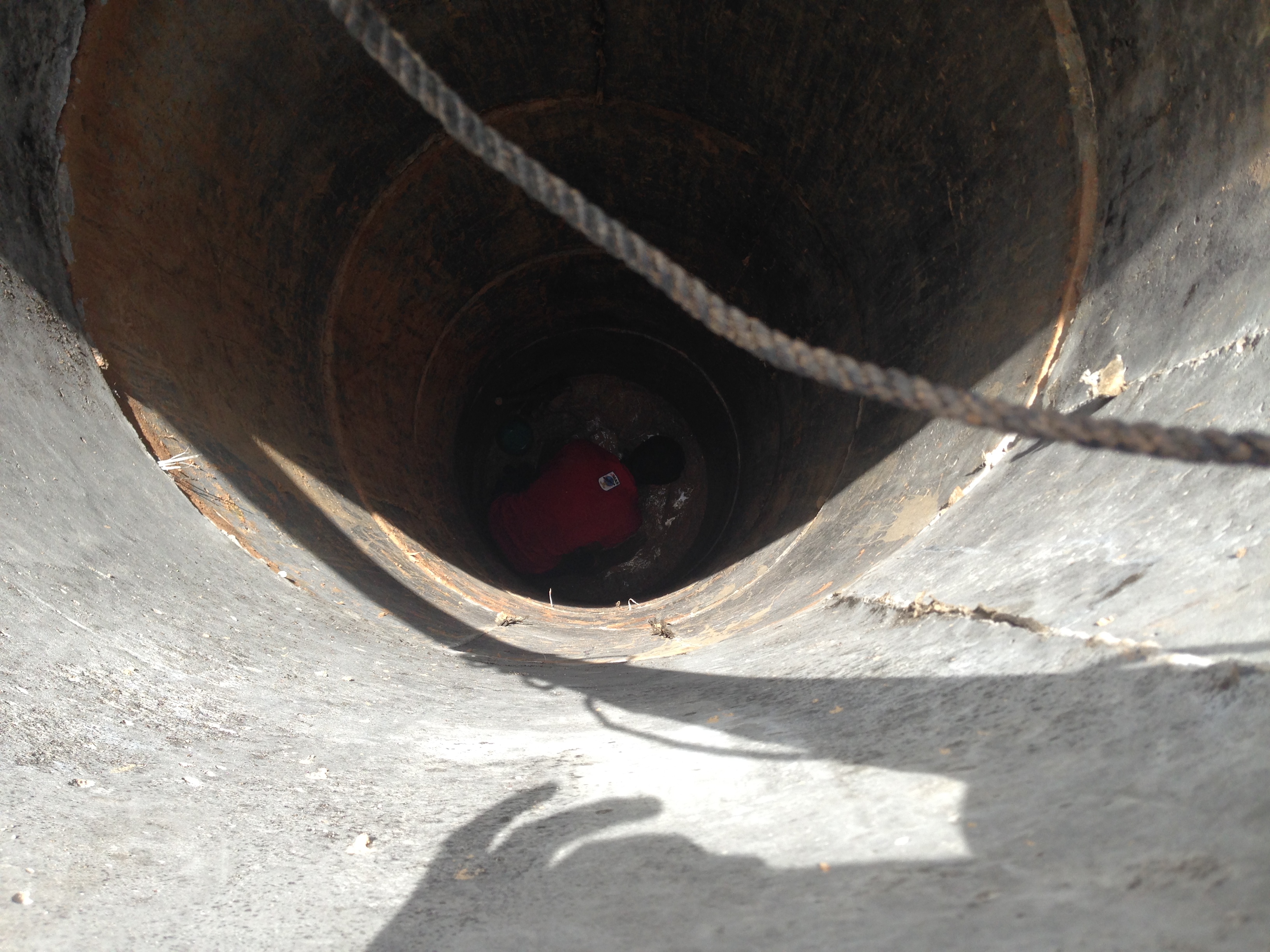 And his buddy hauls it out…
 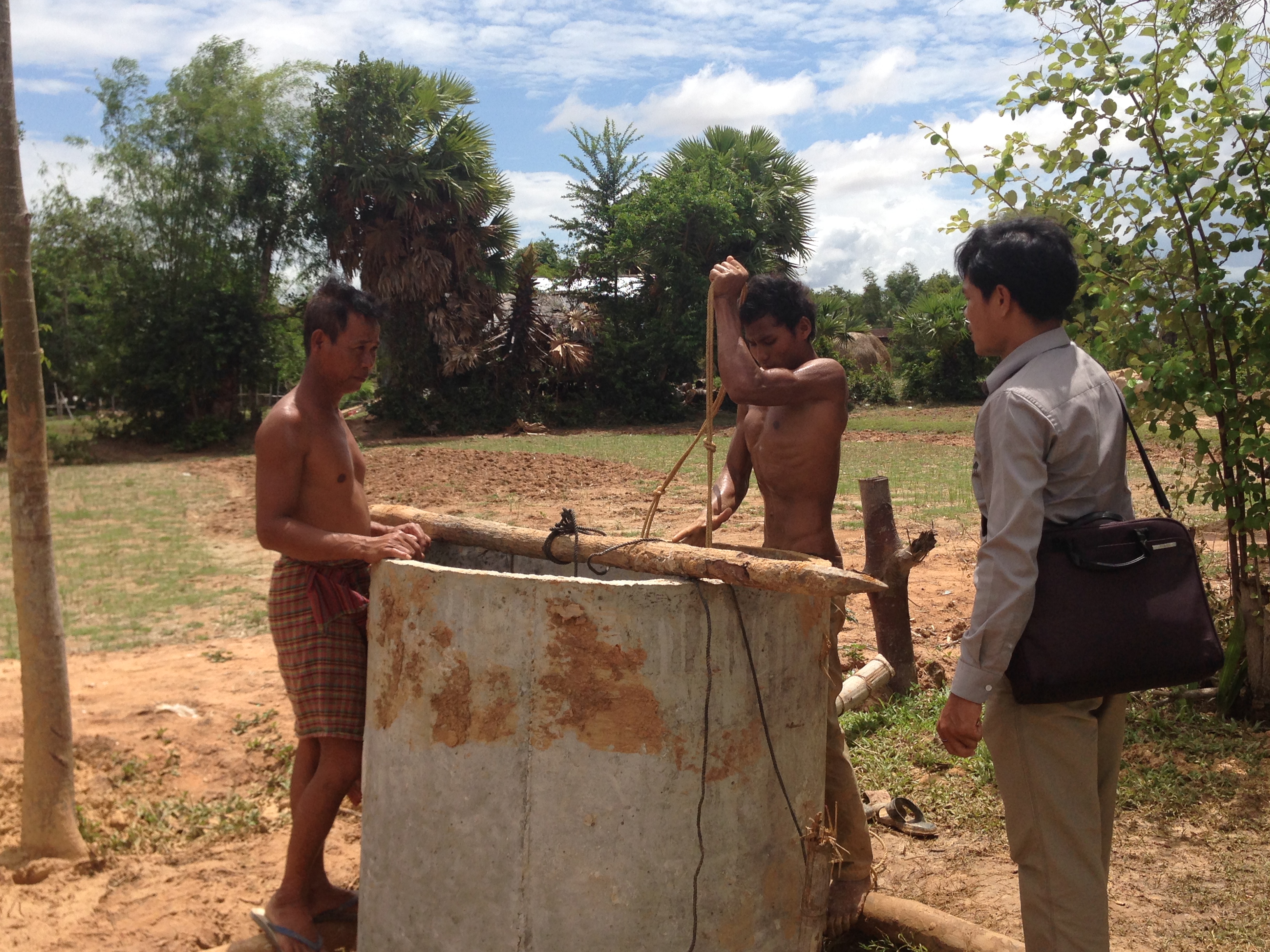 Over and over and over again… I’m not exactly sure how the guy gets out of the well. I’m hoping there is a rope ladder or something that they drop down there as it’s hard to believe he climbs up the rope or his buddy pulls him all the way up…. As I said at the beginning of this post, truly amazing the commitment and work the people we met are putting into improving life for their communities and families.
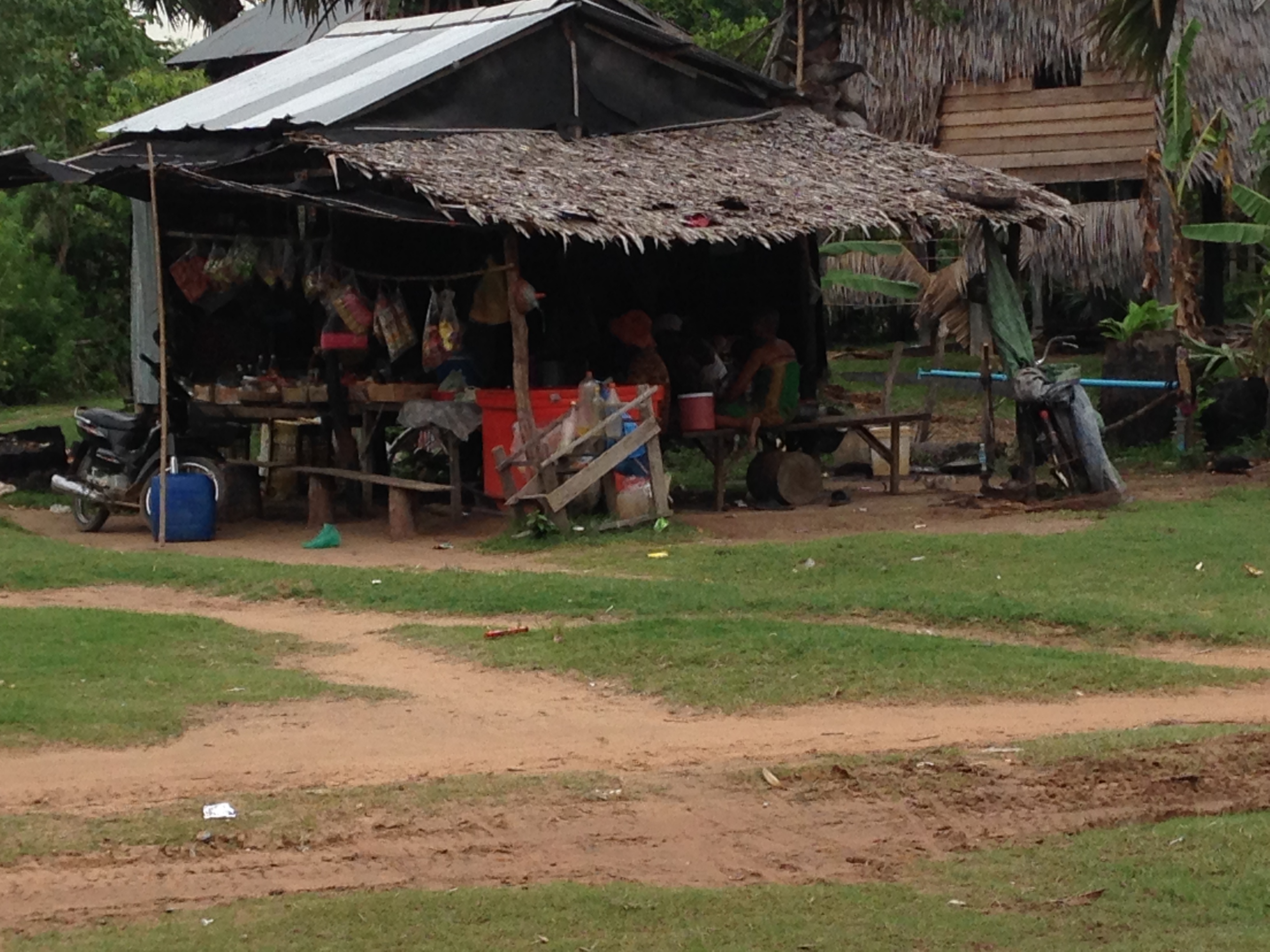
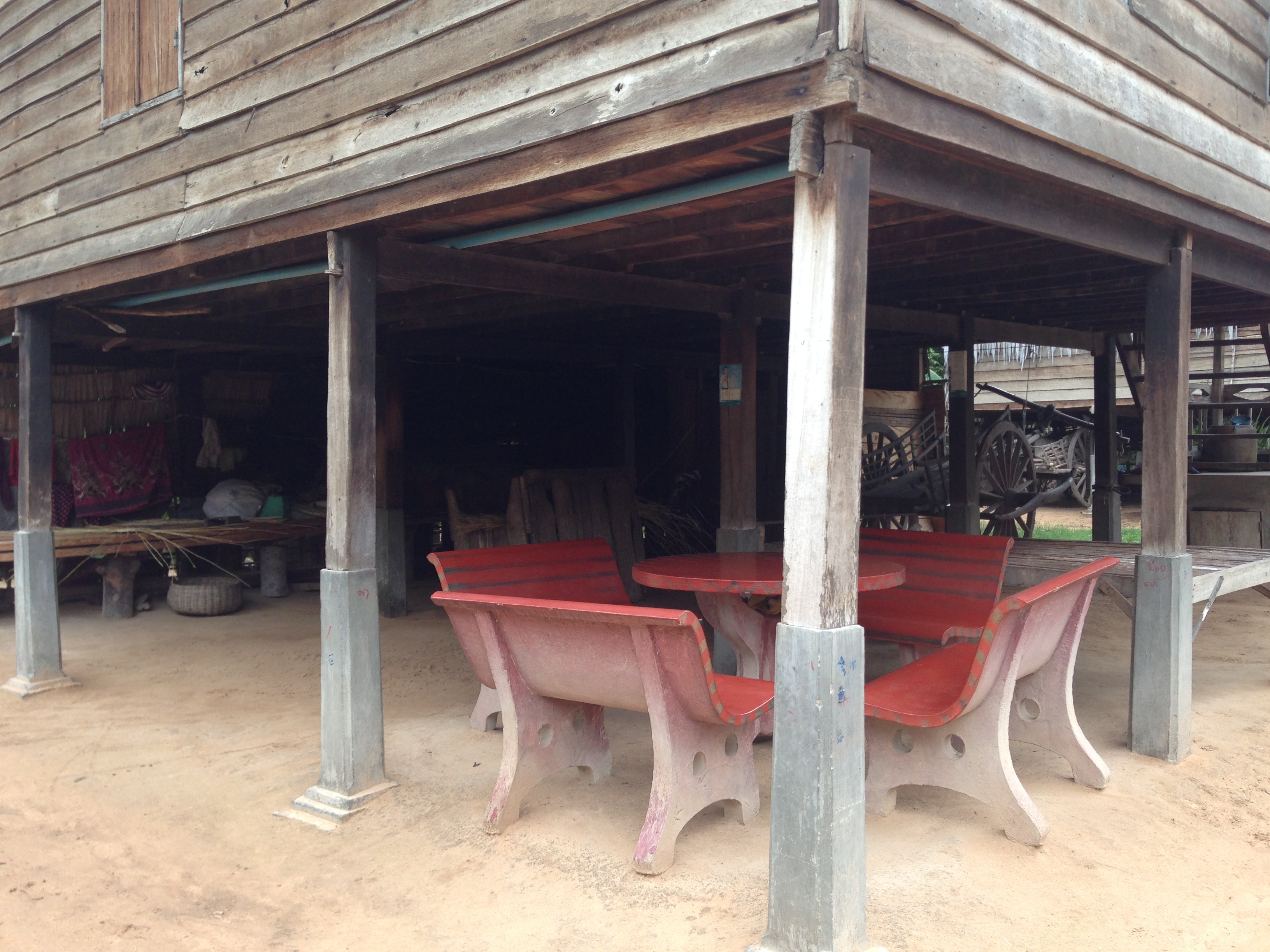
A couple of last sites of interest: the library, a shop, and the meeting table at the village chief’s home: 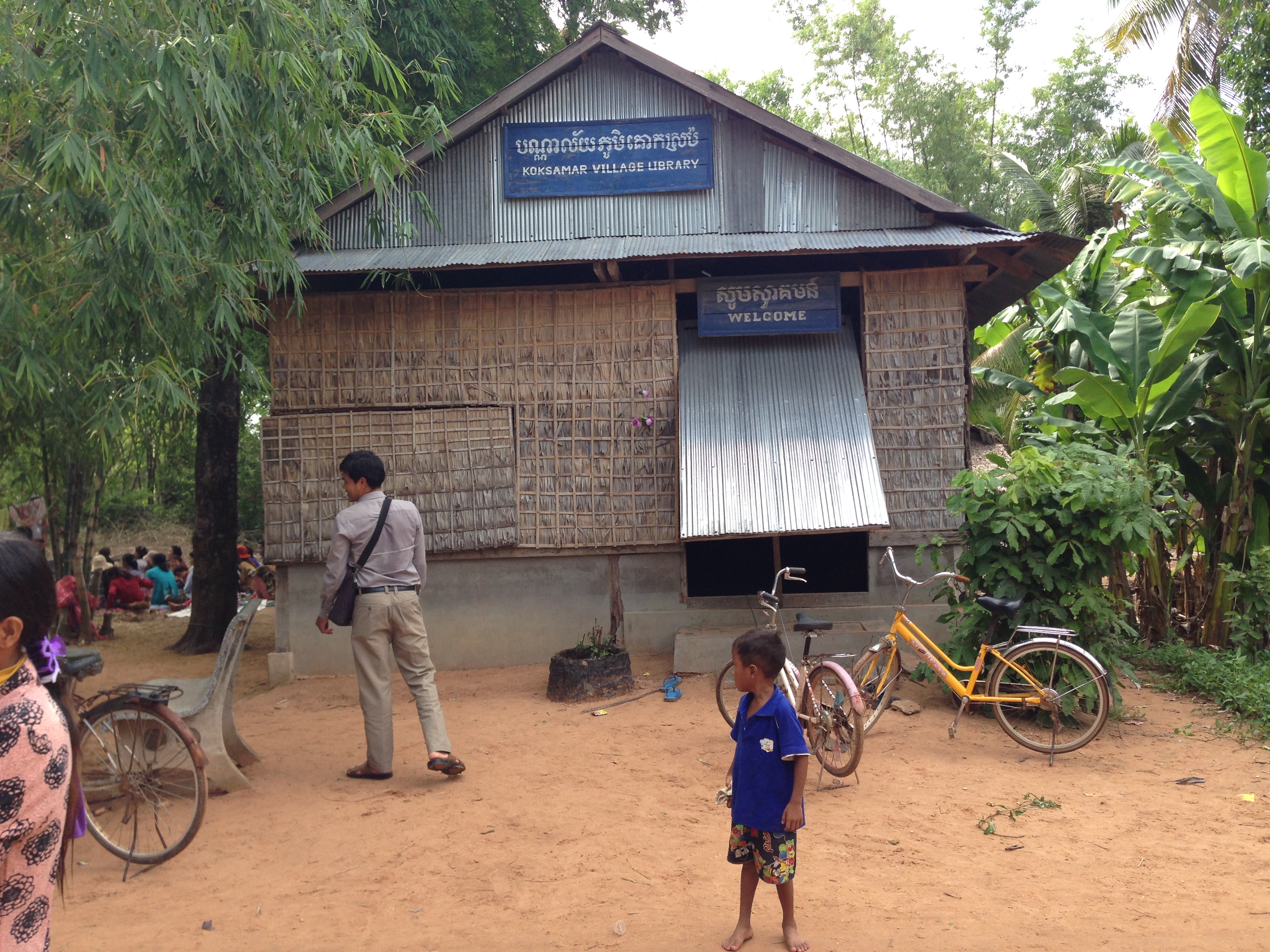
 The Next Chapter
Awesome! I’m totally passionate about clean water projects!
Erin, I love it that you are getting a feel for the students, Cambodian countryside and for JWOC projects. Lovely!